What is an Impact Report and why do you need one?
Tags: Report Designing Services
Category: Impact Report
In today’s purpose-driven business world, transparency, accountability, and measurable outcomes have become the cornerstones of long-term success. Beyond profits and performance metrics, organizations are increasingly judged by their impact, on people, communities, and the planet. This is where an Impact Report becomes a game-changer.
An Impact Report captures an organization’s tangible and intangible contributions, helping stakeholders see how values translate into real-world outcomes. But while content brings data and stories to life, great design makes that impact visible, accessible, and compelling, which is exactly what we specialize in.
In this blog, we’ll explore the aim and need of an Impact Report, why it matters, and how impactful report design elevates how your story is perceived.
Understanding What an Impact Report Is
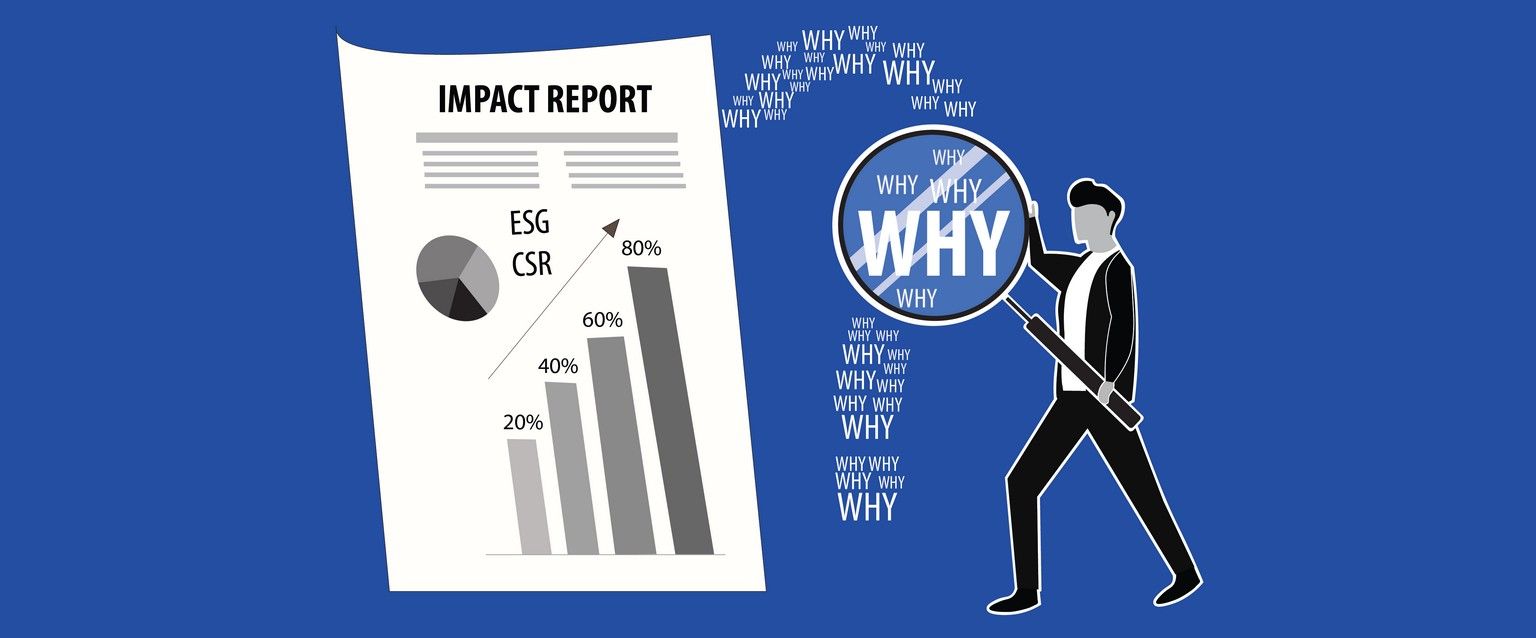
An Impact Report is a strategic document that communicates the social, environmental, and economic value created through an organization’s actions, programs, or initiatives. Unlike traditional financial reports, which focus on profits and losses, an Impact Report reveals how business decisions lead to broader societal change.
Organizations, whether corporations, NGOs, or foundations, use Impact Reports to showcase progress in alignment with their ESG (Environmental, Social, and Governance) goals, CSR (Corporate Social Responsibility) commitments, or sustainability objectives.
These reports can take many forms, including:
- Annual Impact Reports summarizing yearly achievements.
- Program-Specific Reports detailing the results of particular initiatives.
- Integrated Sustainability Reports combining environmental and social impact with business performance.
In all cases, the purpose is the same: to tell a measurable, credible, and engaging story of impact.
The Core Aim of an Impact Report
At its heart, an Impact Report serves multiple interconnected aims. It functions as a tool for both communication and reflection, aligning intentions with measurable results. Let’s look at its primary goals.
1. Demonstrating Accountability
An Impact Report provides a transparent record of how resources, financial, human, or environmental, are used to achieve stated goals. Stakeholders expect organizations to walk the talk, and impact reporting proves that the intent behind initiatives is matched by measurable outcomes.
2. Communicating Value Beyond Profit
Modern businesses are no longer defined solely by their bottom line. Investors, customers, and employees increasingly want to engage with organizations that generate shared value, benefiting society while maintaining growth. Impact Reports articulate this broader value creation with clarity and evidence.
3. Measuring Progress and Learning
By comparing targets with outcomes, organizations can determine what’s working and what’s not. The process of preparing an Impact Report encourages internal reflection and improvement, helping refine strategies for greater future impact.
4. Engaging Stakeholders and Building Trust
An impact narrative is a bridge between the company and its stakeholders. When well-designed, these reports strengthen trust, appreciation, and engagement, be it with donors, investors, or customers.
5. Supporting Strategic Decision-Making
Data visualization and clarity in presentation empower leadership to make evidence-based decisions. A well-structured design ensures that complex data is easily understood, enhancing the report’s value as a decision-making tool.
Why Organizations Need an Impact Report
Understanding the need for an Impact Report goes beyond compliance, it’s about shaping reputation, managing risk, and driving authentic engagement.
Here are the key reasons organizations cannot afford to ignore impact reporting:
1. Transparency Drives Trust
Trust is the new currency in today’s marketplace. Organizations that share clear and verifiable outcomes through their Impact Reports are perceived as responsible and reliable. Transparency helps attract funding, partnerships, and loyal customers.
2. Stakeholders Demand Evidence
From institutional investors focused on ESG portfolios to consumers making ethical purchasing decisions, stakeholders want proof of positive contribution. Impact Reports deliver this evidence in visual and credible ways.
3. Enhancing Brand Narrative
A compelling Impact Report serves as brand storytelling at its best. It communicates purpose, reinforces brand authenticity, and leaves a lasting impression through creative design, visualization, and structure.
4. Meeting Regulatory and Reporting Standards
As global frameworks like GRI, SASB, and the UN SDGs gain importance, organizations are increasingly required to disclose impact and performance metrics. A professionally designed report ensures compliance while maintaining readability and elegance.
5. Inspiring Internal Culture
Impact Reports are not only external communication tools. They also celebrate employee contributions, motivate teams, and cultivate a strong sense of belonging and shared purpose within the organization.
The Strategic Role of Design in Impact Reporting
While the content defines what is being communicated, design determines how well it connects. At our report design studio, we specialize exclusively in the visual storytelling side of ESG, sustainability, CSR, and impact reports.
Design transforms a document from a mandatory communication into a memorable experience.
Here’s how thoughtful design brings impact reporting to life:
| Design Element | Purpose | Result |
|---|---|---|
| Data Visualization | Simplifies complex metrics | Quick understanding and retention |
| Infographics | Highlights key outcomes | Engaging storytelling |
| Consistent Branding | Reflects organizational identity | Builds recognition and trust |
| Interactive Digital Layouts | Increases accessibility | Wider stakeholder engagement |
| Visual Hierarchy | Guides reader flow | Organized, pleasing reading experience |
By aligning aesthetics with purpose, the design elevates credibility and helps reports stand out in competitive environments.
Building an Effective Impact Report
A strong Impact Report is built on clarity, consistency, and authenticity. It begins with a clear objective, ensuring that the content and design align with the report’s core message and intended audience. Data must be accurate, verifiable, and visually represented in a way that promotes transparency. At the same time, storytelling should remain central, each section of the report should connect data to real-world results, showcasing not just numbers but narratives of transformation.
Establishing a consistent visual identity throughout the report further strengthens its impact. When colors, fonts, and imagery are aligned with the brand’s design language, the report becomes a natural extension of the organization’s ethos. Accessibility also plays a crucial role. Today’s readers consume information across multiple platforms, making it essential for reports to exist in both digital and print-friendly formats. Interactive elements in online versions can greatly enhance engagement, making information easier to explore and understand.
Finally, authenticity remains the core of effective impact communication. Stakeholders are quick to recognize genuine transparency versus surface-level marketing. A thoughtfully designed and accurately presented Impact Report builds long-term trust by reflecting both achievements and areas for improvement.
Examples of Impact Reporting in Action
Impact Reports are now widely used across industries, proving their versatility and importance. Below are a few examples of sectors that benefit most from impactful reporting:
- Corporate Enterprises: To showcase CSR and ESG initiatives aligned with global sustainability goals.
- Nonprofits & Foundations: To demonstrate measurable change and attract donor support.
- Educational Institutions: To highlight community outreach, research contributions, and student impact.
- Governmental & Multilateral Agencies: To communicate social development outcomes with transparency and accountability.
- Social Enterprises & Startups: To appeal to impact investors and communicate their mission-driven success.
The Broader Significance of Impact Reports
As businesses evolve in a world that prioritizes sustainability and ethics, Impact Reports are becoming a hallmark of responsible corporate citizenship. These reports are no longer optional, they are essential communication tools that shape perceptions, influence decisions, and position organizations as accountable leaders in their industries. They validate commitments to sustainable growth and social progress, demonstrating that impact is measurable, meaningful, and central to strategy.
The benefits extend far beyond compliance or reputation management. Organizations with strong impact narratives enjoy improved investor confidence, stronger brand loyalty, and deeper stakeholder engagement. They also lead by example, inspiring others in their ecosystem to adopt similar practices. Over time, consistent impact reporting nurtures a culture of openness and continuous improvement, both within and outside the company.
Future Trends in Impact Reporting
As the global conversation shifts from profit-centric to purpose-centric growth, impact reporting is evolving too. The future will see more emphasis on:
- Digital-first reports with interactive visuals and multimedia.
- Integrated sustainability communication across all reporting formats.
- Real-time dashboards for ongoing impact tracking.
- Data-driven storytelling aligning with AI analytics and visualization tools.
- Inclusive design that meets accessibility standards (WCAG compliance).
Organizations that adapt to these trends will position themselves as transparent, future-ready, and trustworthy.
Why Choose a Professional Design Partner
While many organizations have the data and content, transforming it into a polished, digestible, and emotionally engaging report requires a specialized visual partner.
As a report design company, we focus solely on design not content, because we believe presentation defines perception. Our expertise ensures your message not only reaches your audience but resonates deeply.
Working with a professional design studio provides:
- Tailored design aligned with brand identity and strategy.
- Expertise in ESG, CSR, sustainability, and impact visual communication.
- Flexible formats for web, print, and digital sharing.
- Streamlined collaboration with your internal reporting teams.
- High-quality, visually distinct final reports ready for publication.
An Impact Report designed with precision tells your story with elegance, making data human and impact visible.
Conclusion
An Impact Report is both an expression of purpose and a proof of performance. Its aim lies in sharing progress with honesty, while its need arises from the growing expectation for transparency and accountability in every sector. However, the effectiveness of an Impact Report ultimately depends on how well it communicates and that’s where design becomes the decisive factor. When crafted thoughtfully, it transforms data into stories, numbers into insights, and actions into inspiration.
At the heart of every impactful organization is a story worth telling, and a design that makes it unforgettable. Your data illustrates your dedication, but design turns that dedication into dialogue. When purpose meets presentation, impact becomes visible, credible, and lasting.